Cutting-Edge TEC

U.S. Department of Defense Secures $200M AI Contracts with OpenAI, Google, Anthropic, xAI for National Security
The U.S. Department of Defense (DoD) announced on July 14 it has awarded up to $200 million in AI contracts to OpenAI, Google parent company Alphabet, Anthropic, and xAI, aiming to accelerate the deployment of advanced AI capabilities across national security systems. The contracts, managed by the DoD’s Chief Digital and AI Office (CDAO), will fund the development of "agentic AI workflows" to address critical defense challenges, including cybersecurity, intelligence analysis, and operational decision-making .
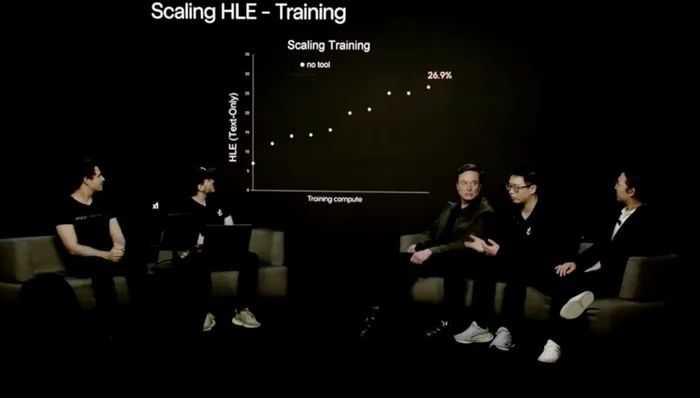
Musk Debuts Grok 4 as 'PhD-Level' AI, Achieves 44.4% on Humanity's Last Exam, Perfect AIME Score
lon Musk's xAI unveiled Grok 4 on July 9, positioning it as the "world's strongest AI" with PhD-level reasoning capabilities and multimodal advancements. The fourth major iteration of xAI's foundational model introduces five new voice modes, cuts response latency by half, and integrates real-time image/video processing, enabling culturally sensitive content analysis for social media platforms like X
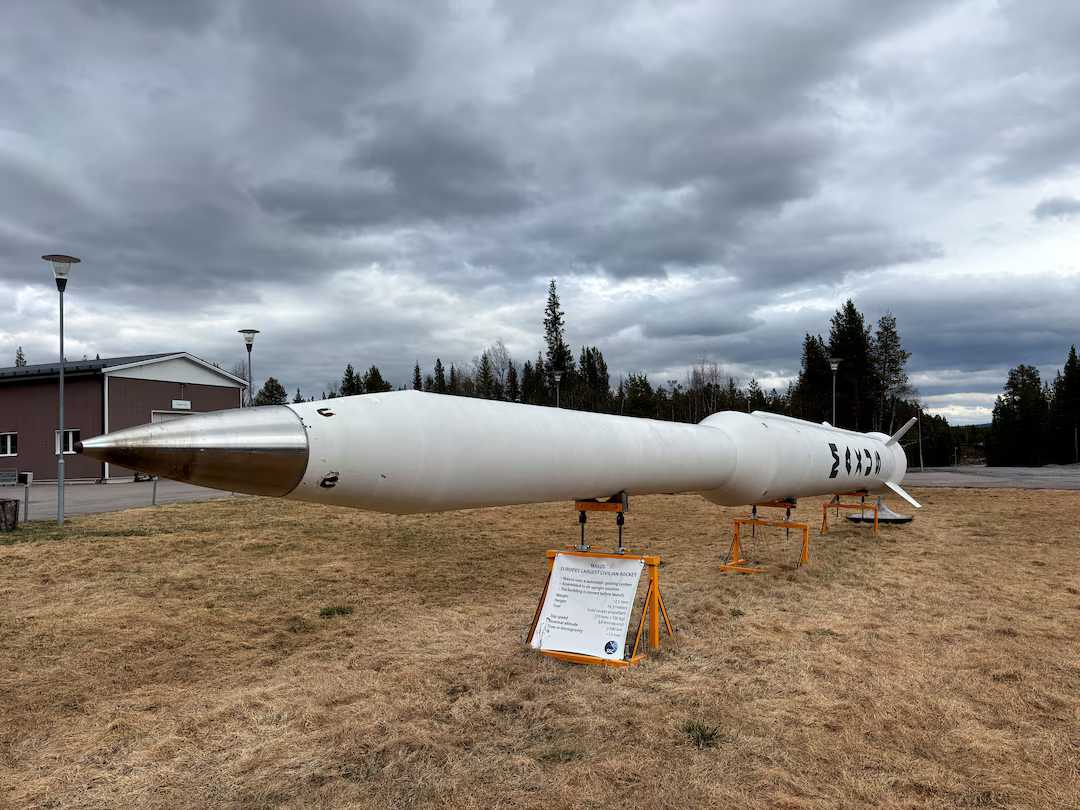
Europe Aims to Cut U.S. Reliance with Nordic Spaceport Projects
As reported by Reuters on July 10, Europe is pushing forward with building domestic launch facilities in Sweden’s Esrange and Norway’s Andøya to reduce dependence on the U.S. and strengthen its independent space capabilities. The goal is to send satellites into orbit from the European continent for the first time. Previously, Europe’s only launch site was in French Guiana, South America—its remote location and high costs made it hard to meet rising commercial and military needs.
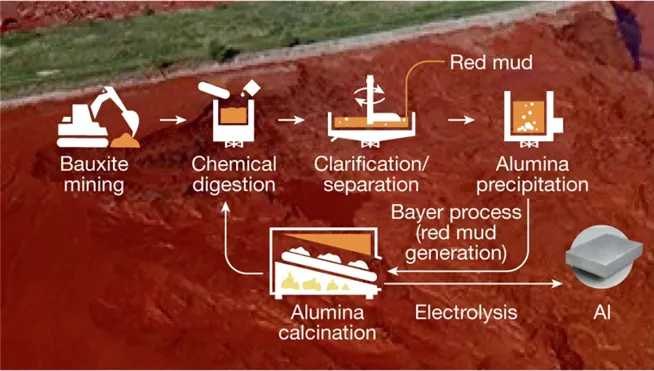
Hydrogen Plasma - based Extraction of High - Purity Iron from Red Mud Drives Green Metallurgy
European scientists have developed a new method that uses hydrogen plasma to reduce iron oxide in red mud, capable of producing liquid iron with a purity of over 95% in just a few minutes. This process contains almost no harmful elements and is suitable for steel - making. Meanwhile, it can consume red mud, an industrial solid waste, and is expected to solve the environmental problem of 180 million tons of red mud produced annually.
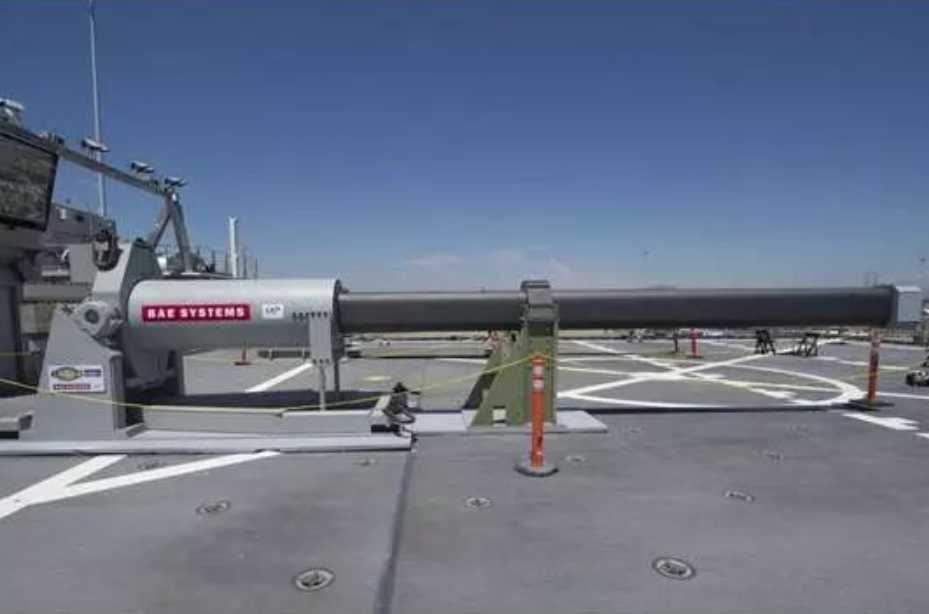
Emerging Weapons Technologies to Reshape Battlefields Over Next 30 Years
Over the next three decades, several new weapons technologies will emerge on the battlefield. Beyond currently developing non-lethal and energy weapons, multiple nations are pursuing anti-access/area denial (A2AD) systems to block military operations. A2AD technologies include anti-ship ballistic missiles, precision-guided anti-vehicle and anti-personnel weapons, counter-rocket, artillery, and mortar (CRAM) systems, anti-satellite weapons, and electromagnetic pulse (EMP) devices.

EU Unveils "European Quantum Strategy" to Lead Global Quantum Tech by 2030
The European Commission officially released the "European Quantum Strategy" on July 2 local time. Highlighting Europe's strengths, the strategy aims to build a resilient and sovereign quantum ecosystem, positioning Europe as a global leader in quantum technologies by 2030.

WEF Unveils Top 10 Emerging Technologies of 2025 at Summer Davos
At the 16th Summer Davos Forum on June 25, the World Economic Forum (WEF) officially released its 2025 list of Top 10 Emerging Technologies. The selected technologies include collaborative sensing, generative watermarking, green nitrogen fixation, nanozymes, engineered living therapies, GLP-1 drugs for neurodegenerative diseases, autonomous biochemical sensing, structural battery composites, osmotic energy generation systems, and advanced nuclear energy technologies.